
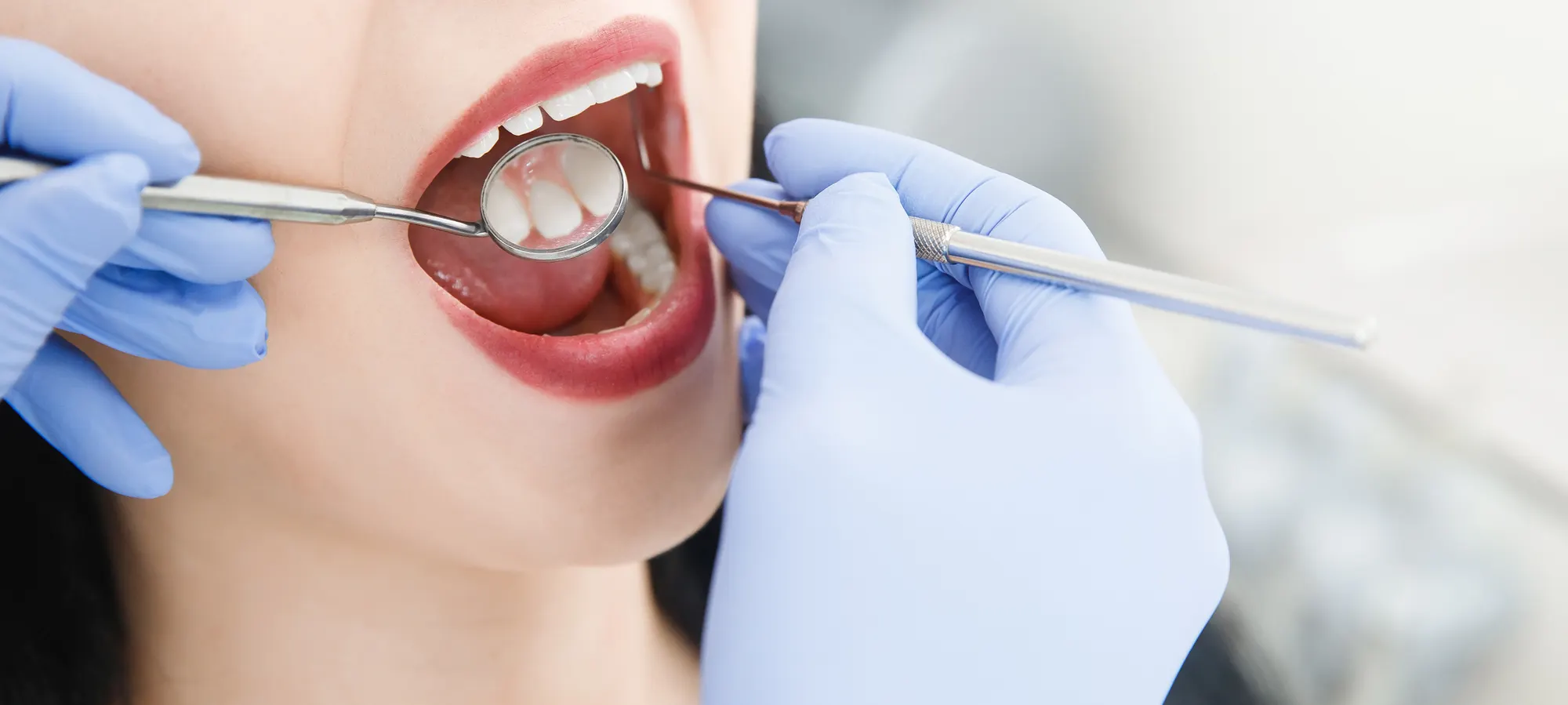
Gum care in Springfield
Healthy gums, healthy teeth.
Periodontics is the study and treatment of your gums. Catching gum disease early makes it much easier to treat.
What is periodontics?
Periodontal means around the tooth, so periodontal disease is a disease that affects the gums. Periodontics is the study and treatment of gums.
Healthy gums are the basis for supporting your teeth. When they are not healthy, you can face inflammation, tooth loss, and even bone damage. Gum disease is preventable, but it can be harder to treat in its later stages.
Signs of gum disease
Gingivitis is the first stage, and it can often be reversed. Symptoms include swollen and red gums, gums that bleed easily when you brush or floss, gum recession, and bad breath.
Periodontitis is a more advanced stage, when damage to soft tissue and bone has already occurred. Symptoms include tender gums, bright red and swollen gums, pus between your gums and teeth, spaces that form periodontal pockets, a bad taste in your mouth, bad breath, teeth that do not fit together when you bite, and loose teeth.
Advanced periodontitis is the most severe stage. It most often leads to loss of the bone and tissue that support your teeth, so teeth may shift, loosen, fall out, or need to be removed. Symptoms include severe gum recession, loose or misaligned teeth, bleeding and swollen gums, chronic bad breath, and deep periodontal pockets. Without treatment, you can experience severe pain and tooth loss. If you notice symptoms of any stage, visit Dr. Buzbee as soon as possible.
How gum disease is treated
Most patients have gingivitis, which can often be reversed with care at home. Dr. Buzbee will recommend brushing and flossing at least twice a day, using a mouthwash made to treat gingivitis, and avoiding sugary foods and drinks. In some cases, we prescribe an antimicrobial mouth rinse.
More severe forms are more involved. Treatment may include a deep cleaning, called scaling and root planing, to clean beneath the gum surface near the tooth, followed by antimicrobial medications or rinses to kill the germs. We also remove plaque and tartar from your teeth to help stop growth from happening.
If the disease has progressed so far that the gum tissue no longer fits against the teeth, a minor gum surgery can remove the bacteria from the periodontal pockets. Your gums can then start rebuilding, and they may return to their original position. If bone loss has happened, gum grafts and bone grafts may help preserve your teeth. Extraction is the last resort. After the gums heal, restorative options such as implant-supported dentures can replace the teeth.
Keeping your gums healthy
The best way to treat gum disease is to avoid it. Brush and floss twice a day. Brushing removes plaque, bacteria, and debris from the surfaces of your teeth, and floss removes the same from between your teeth and under the gums.
Visit us every six months for an exam and cleaning. We examine your gums closely and can step in with preventive measures such as a deep cleaning if gum disease seems to be starting. Gum disease can also run in families, so tell us if you have a family history.
Is this right for me?
Periodontics may be a good fit if you:
- Have swollen or red gums
- Notice bleeding when you brush or floss
- Have bad breath or a bad taste in your mouth that does not go away
- Feel loose teeth, or teeth that do not fit together when you bite
- Have a family history of gum disease
- Want to catch gum problems as early as possible
What to expect
Your visit, step by step.
- A visit with Dr. Buzbee, who looks at your gums and talks with you about your symptoms.
- For early gum disease, a home care plan with brushing, flossing, and possibly a mouth rinse.
- For more advanced disease, treatment may include a deep cleaning beneath the gum line and medication or rinses.
- Gum surgery or grafts, if the disease has progressed far enough to need them.
- Exams and cleanings every six months to keep an eye on your gums.
Questions we hear
Periodontics FAQs
Can gum disease be reversed?
Gingivitis, the first stage, can often be reversed with care at home. By the time periodontitis develops, damage to soft tissue and bone has already occurred. Reversing an early stage is much easier than treating a severe one.
How can I avoid gum disease?
Brush and floss twice a day, and visit us every six months for an exam and cleaning. During your exam, we look closely at your gums and can do preventive measures such as a deep cleaning if gum disease seems to be starting.
When should I come in?
If you notice symptoms of any stage of gum disease, such as swollen or bleeding gums, visit Dr. Buzbee as soon as possible. Call us at (417) 883-1314. Our office is open Monday through Wednesday, 7:30 am–4:30 pm, and Thursday, 7 am–3 pm.
Ready when you are
Let’s make your next visit something to smile about.
New patients are welcome. Call us or send a request, and we will help you take the next comfortable step.
Request an appointment