
Restorative dentistry in Springfield
Dental implants for teeth that stay put.
An implant replaces the root of a missing tooth, then holds a crown, bridge, or denture firmly in place. We will help you decide whether it is the right fit for you.
What is a dental implant?
A dental implant is a small titanium post placed in the jawbone, where it takes the place of a tooth root. Once the area heals, the post anchors a crown, a bridge, or a denture.
That makes implants flexible. One implant can replace a single tooth. A few can support a bridge across a gap, and a set of implants can hold a full denture so you are not relying on adhesive to keep it in.
With good care, the implant post is meant to last for many years. The crown, bridge, or denture attached to it may need replacing at some point, as any restoration can.
Why patients choose implants
Because an implant is anchored in bone, it feels steady when you bite and chew, much like a natural tooth. Patients who have worn removable dentures often appreciate not taking their teeth out to clean them, and not worrying about them slipping while they eat or talk.
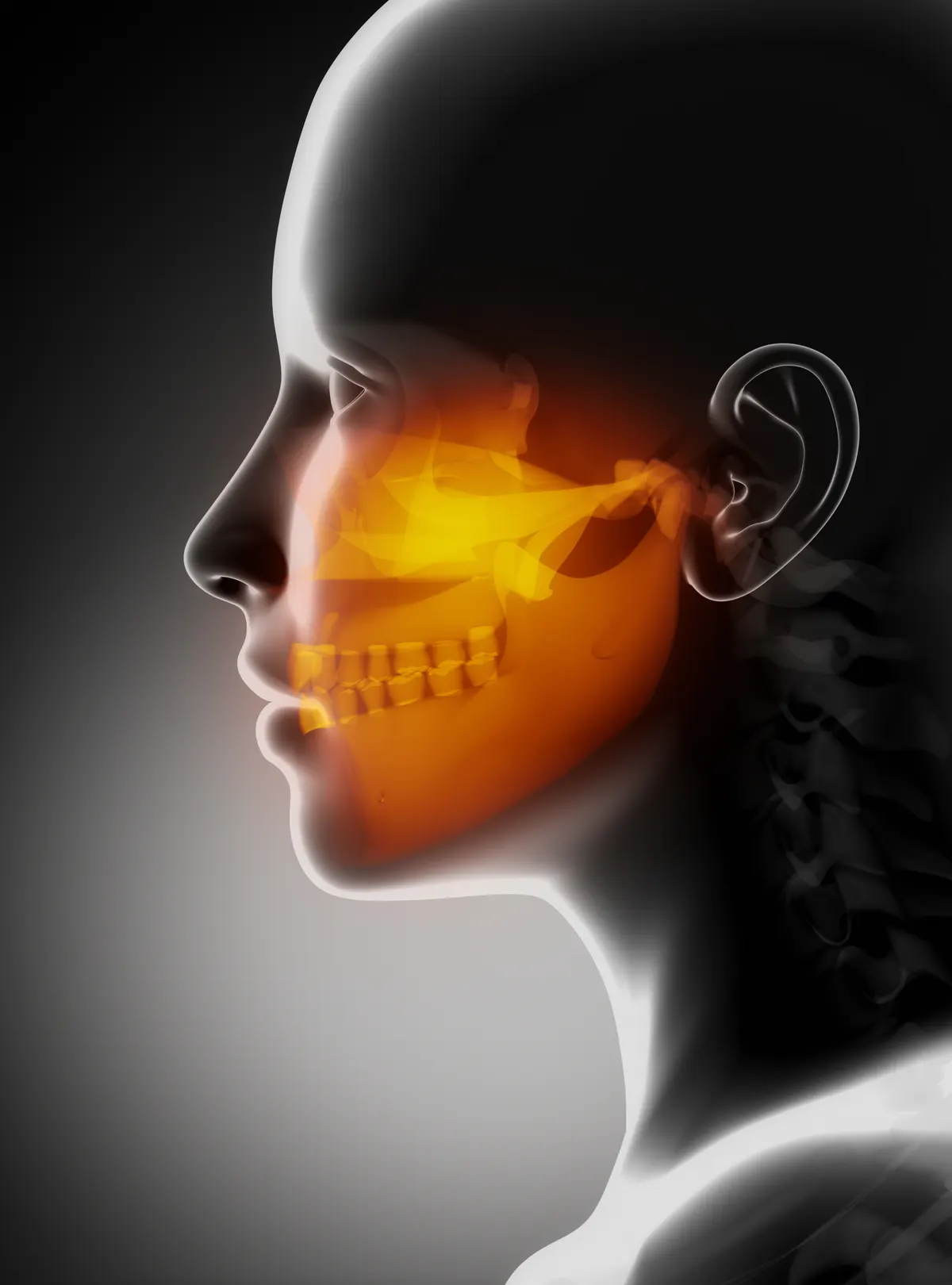
Implants can also help protect the rest of your mouth. After a tooth is lost, the jawbone in that spot can start to shrink, and neighboring teeth may drift into the gap and throw off your bite. An implant gives the bone a root to hold onto, which may help preserve it and keep nearby teeth where they belong.
An implant does not decay the way a natural tooth can, but the gums around it still need the same care as the rest of your smile.
How the process works
It starts with a careful look. Your dentist will do an exam, take x-rays, and use a CT scan to check the health of your teeth and gums and whether there is enough bone to support an implant. If you need gum treatment or a bone graft first, we will plan for that together.
On the day of placement, the area is numbed with a local anesthetic, and sedation is available if you feel nervous. Placement often takes less than an hour, depending on how many implants you need and where they go.
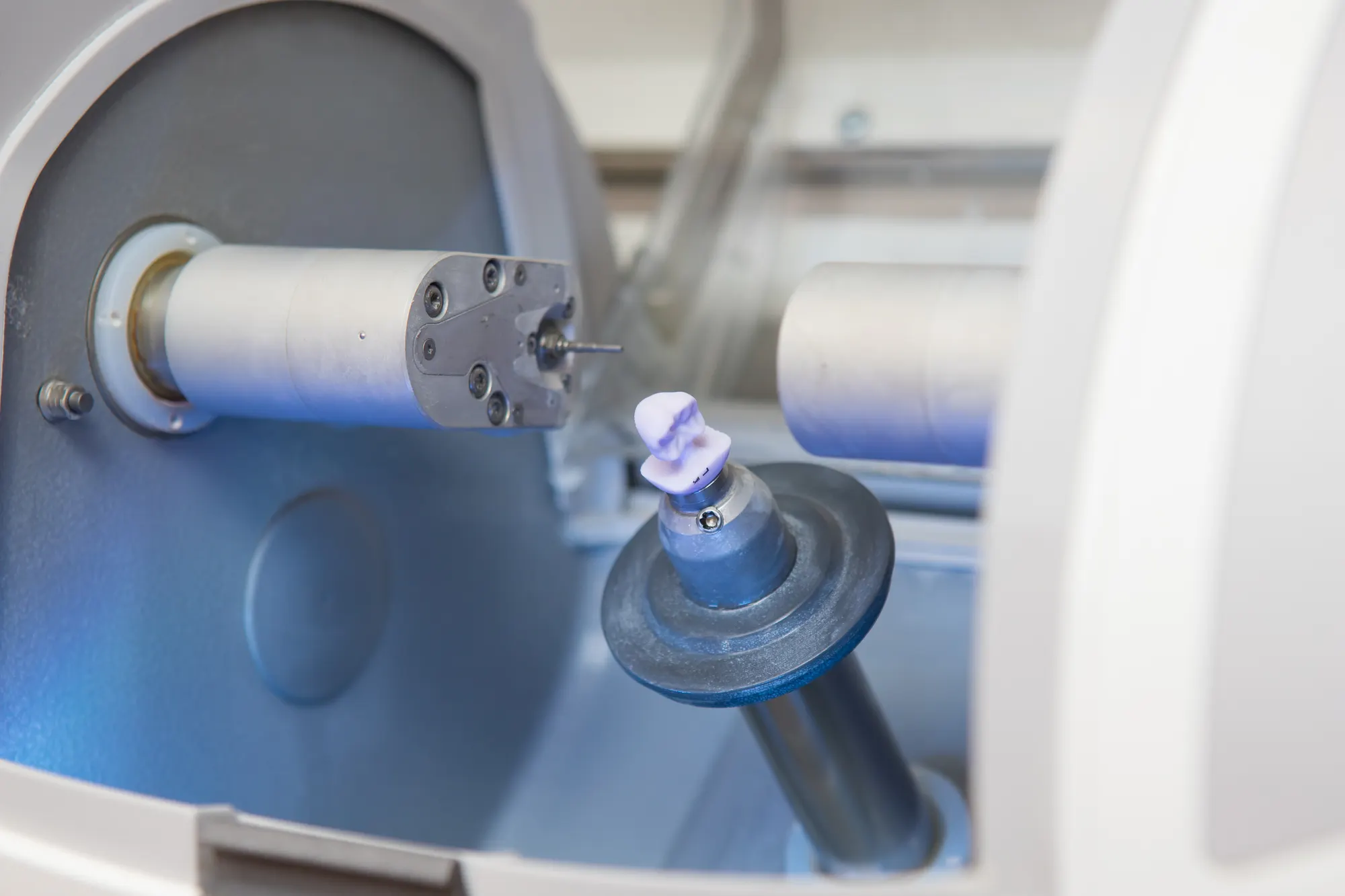
You will usually wear a temporary crown, bridge, or denture while you heal. Over the following months the implant bonds with the bone, and your permanent restoration is made in a dental lab. Once everything has healed, it is attached to the implant.

Caring for your implants
For the first day, stick to cool drinks, skip anything hot, and wait to eat until the numbness wears off. Try not to poke at the implant with your tongue or finger. Some swelling for a couple of days is normal. An ice pack wrapped in a towel, 10 minutes on and 20 minutes off, can help, and after the first day gentle warmth tends to work better.
Most patients feel back to normal within a couple of days, and over-the-counter pain relievers can ease any soreness in the meantime. If pain or swelling hangs on, call us so we can take a look.
Over the long run, care for implants the way you care for natural teeth: brush, floss, use mouthwash, and keep up with regular cleanings and checkups. Healthy gums are what keep an implant secure.
Is this right for me?
Dental implants may be a good fit if you:
- Are missing one tooth, several teeth, or a full arch
- Have healthy gums, or are willing to treat gum disease first
- Have enough jawbone to hold an implant, or are open to a bone graft
- Do not smoke, or are ready to quit during treatment
- Are in good general health and ready to keep up with home care
- Want a replacement you do not have to take out
What to expect
Your visit, step by step.
- A consultation and exam, with x-rays and a CT scan to check your bone and gums.
- Any preparation you need, such as gum treatment or a bone graft.
- Implant placement under local anesthetic, with sedation available if you are nervous.
- A healing period with a temporary restoration while your permanent one is made.
- Your permanent crown, bridge, or denture is attached to the implant.
Questions we hear
Dental implants FAQs
Do dental implants hurt?
You are numbed with a local anesthetic during placement, so you should not feel the procedure itself. Afterward, expect some tenderness, swelling, or bruising for a couple of days. The discomfort is generally no worse than a tooth extraction or root canal, and over-the-counter pain relievers usually keep it manageable.
How long does recovery take?
Most people feel like themselves again within a couple of days. Full healing, while the implant bonds with your jawbone, takes longer and varies from person to person, often several months. Your dentist will give you a timeline based on your case.
How long does the placement appointment take?
It depends on how many implants you are getting and where they go, but placement often takes less than an hour. Your dentist can give you a closer estimate at your consultation.
What if an implant does not take?
Implants work well for most good candidates, and rejection is rare. If an implant does not heal as it should, your dentist can remove it, let the area heal, and try again.
Are dental implants expensive?
Implants cost more up front than options like dentures. They are also built to last, while many other restorations need replacing over time. We offer budget options and can help you find ways to cover the cost.
Who should not get dental implants?
Implants are not recommended during pregnancy, for people with chronic health conditions that are not under control, after high-dose radiation to the head or neck, or for those taking certain medications, such as steroids or drugs that suppress the immune system. Heavy teeth grinding can also be a concern. Your dentist will review your health history with you.
Ready when you are
Let’s make your next visit something to smile about.
New patients are welcome. Call us or send a request, and we will help you take the next comfortable step.
Request an appointment